Ceramic tint blocks more heat, lasts longer, and won’t interfere with your electronics. Here’s why it’s the smart upgrade over standard film.
Not all window tint is created equal. While dyed and metallic films get the job done on a budget, ceramic window tint is in a class of its own — and the price difference is smaller than you might think.
Superior Heat Rejection
Ceramic tint blocks up to 85% of infrared heat without needing a dark shade. That means your car stays significantly cooler in summer — reducing AC load and improving fuel efficiency — even with a lighter tint percentage.
No Signal Interference
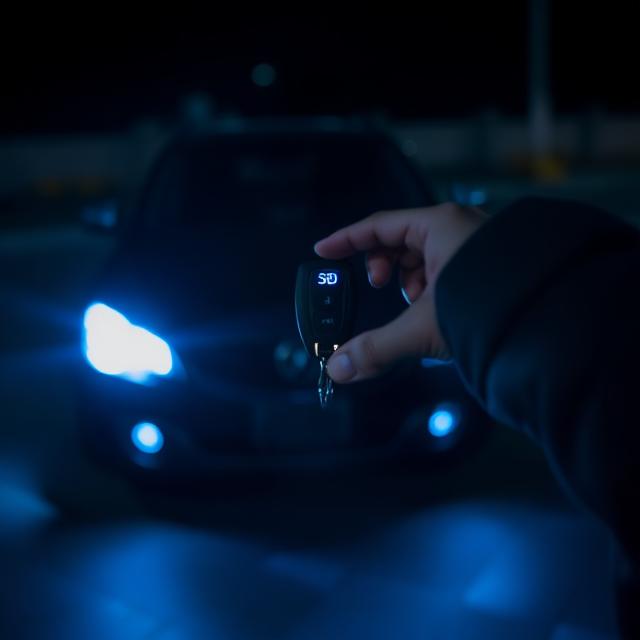
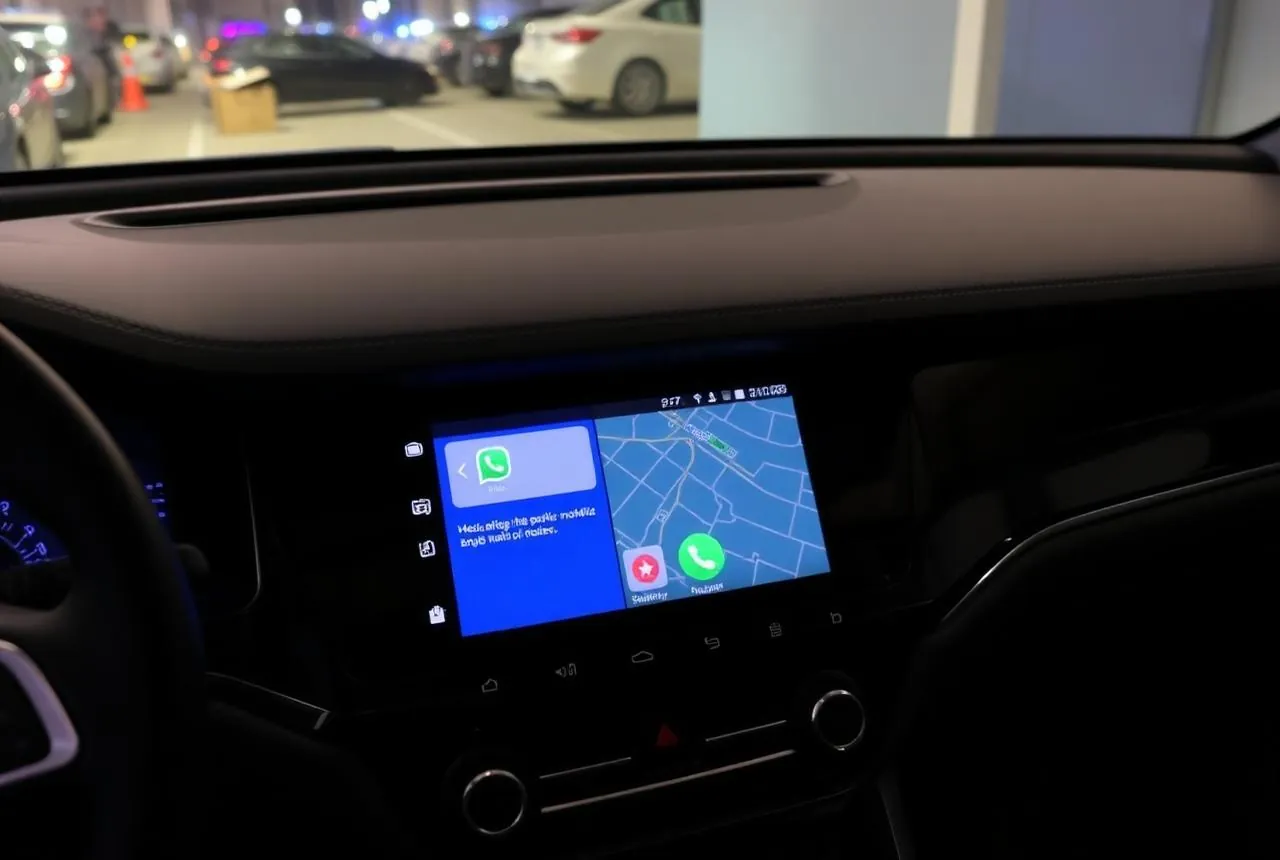
Metallic tints can interfere with GPS, cell signals, and even your key fob. Ceramic tint uses nano-ceramic particles that block heat without affecting any electronic signals. This is especially important in modern vehicles packed with wireless tech.
UV Protection
Ceramic film blocks 99% of UV rays, protecting your skin and preventing your dashboard, seats, and trim from fading and cracking over time.
Longevity
Unlike dyed films that fade to purple over time, ceramic tint maintains its color and performance for the life of the vehicle. Most quality ceramic films come with a lifetime warranty.
Is It Worth the Cost?
Absolutely. The difference between standard and ceramic tint is typically $100-200 for a full vehicle. Given the better heat rejection, durability, and signal transparency, it pays for itself quickly. We exclusively use top-tier ceramic films at Rainier Audio.